How to Measure Your Dog for a Harness: A Step-by-Step Guide
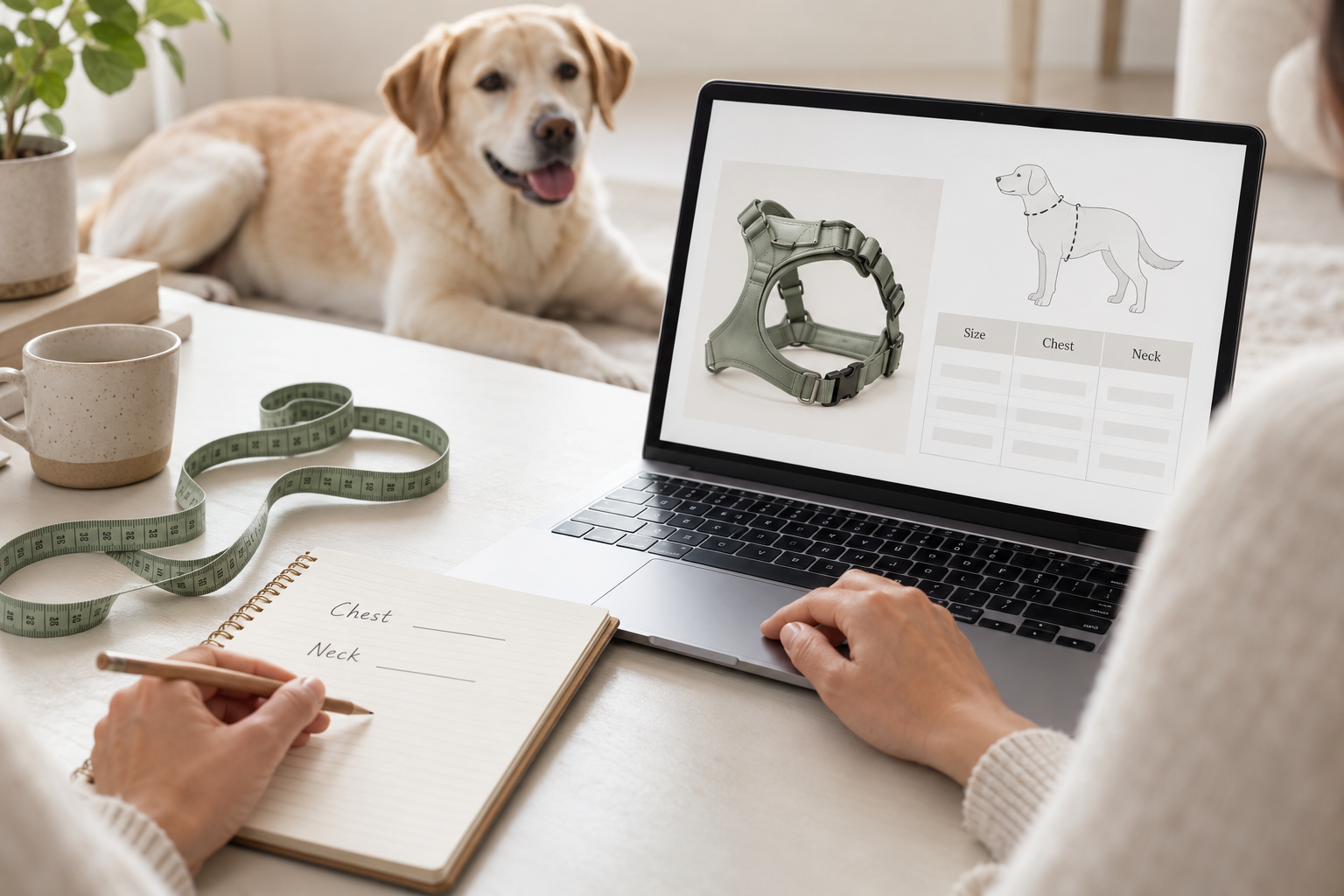
A comfortable walk starts with the right harness fit. A size label is only a starting point. Your dog might wear a medium in one harness and a different size in another. Here’s how to take the measurements and check the fit before purchasing your next pet harness.
What you’ll need
- A soft measuring tape
- Your phone or a pen to record measurements
- The size chart for your chosen harness
- A few treats and, if helpful, another person
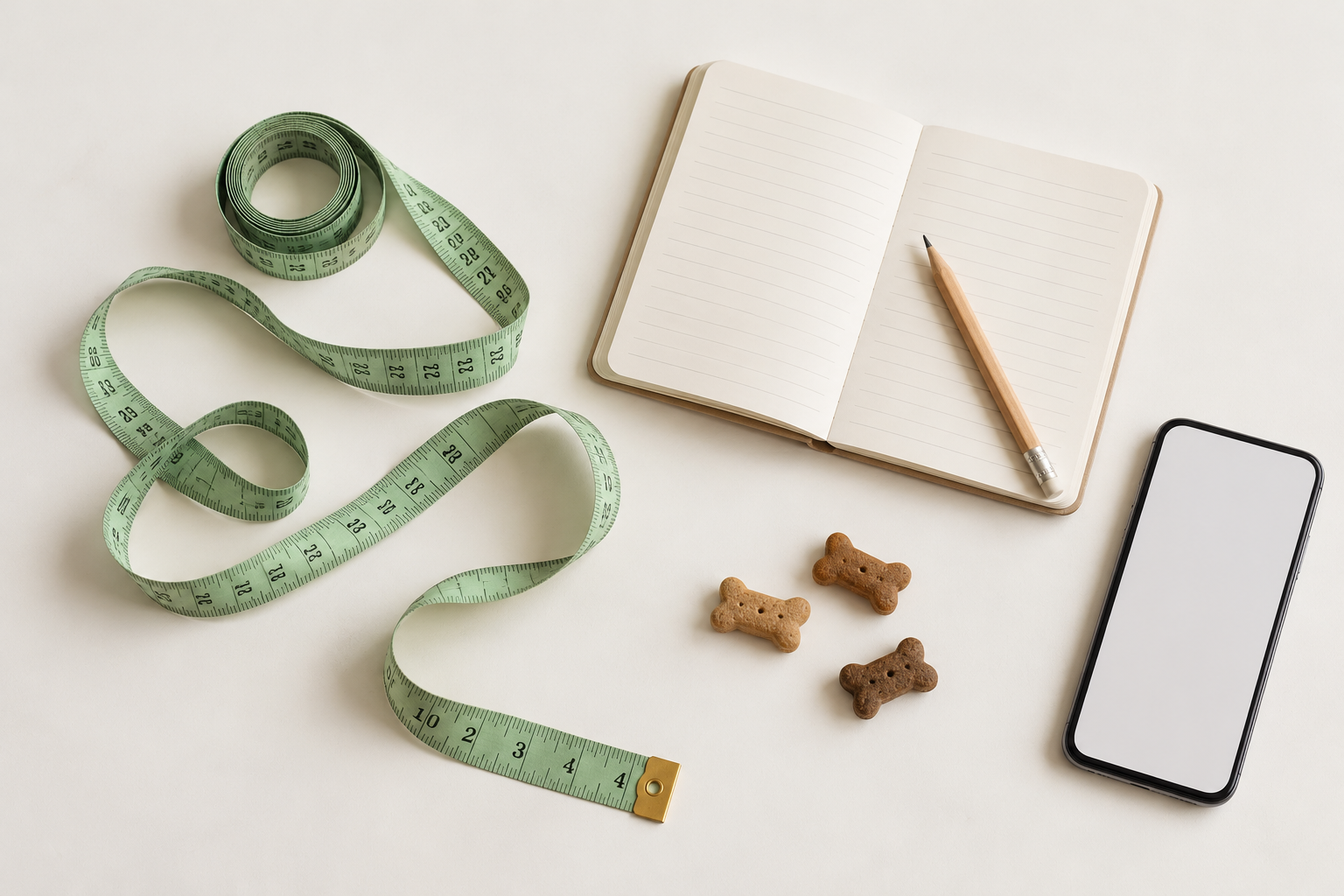
No measuring tape? Use a piece of non-stretch string, mark the measurement and lay it against a ruler. Take a break if your dog becomes uncomfortable with being handled.
1. Help your dog stand comfortably
Take the measurements while your dog is standing naturally on a level surface. Ideally, do this when the dog is relaxed, possibly after a walk.2. Measure your dog’s chest
Chest circumference, also called chest girth, means the distance all the way around your dog’s ribcage. Wrap the tape around the widest part of the chest, usually just behind the front legs.Keep it level and resting against the body without pulling it tight or letting it hang loose. You should be able to slide two fingers under the tape to ensure its not too tight nor too loose. Record the measurement where the tape meets.
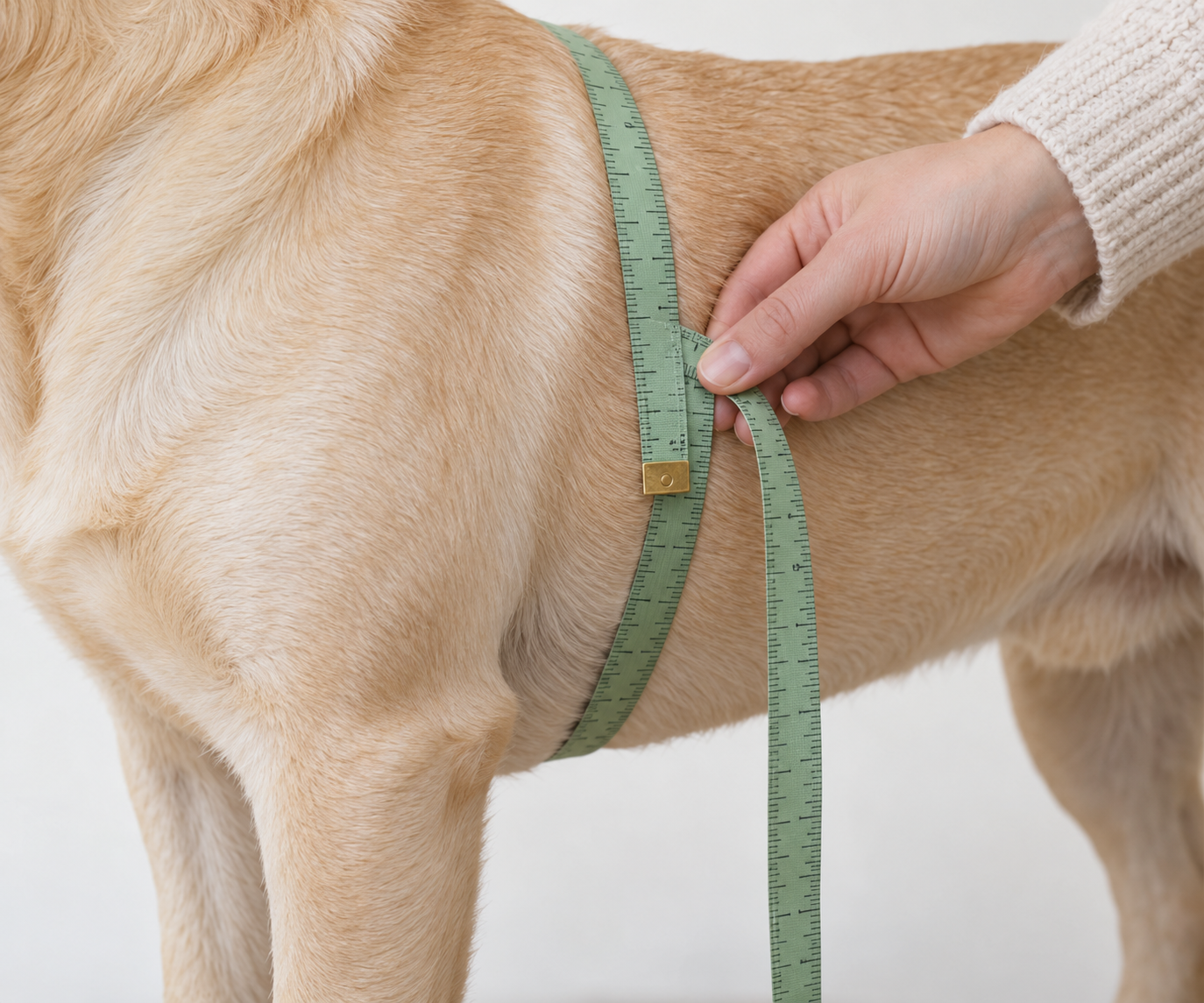
Follow the measuring diagram for the harness you’re buying if it shows a particular position or allowance. Don’t add extra centimetres unless its instructions tell you to.
3. Measure the neck if the size chart asks for it
Some harnesses also require a neck measurement. Wrap the tape around the base of the neck where the harness’s neck section will sit, following the product’s diagram.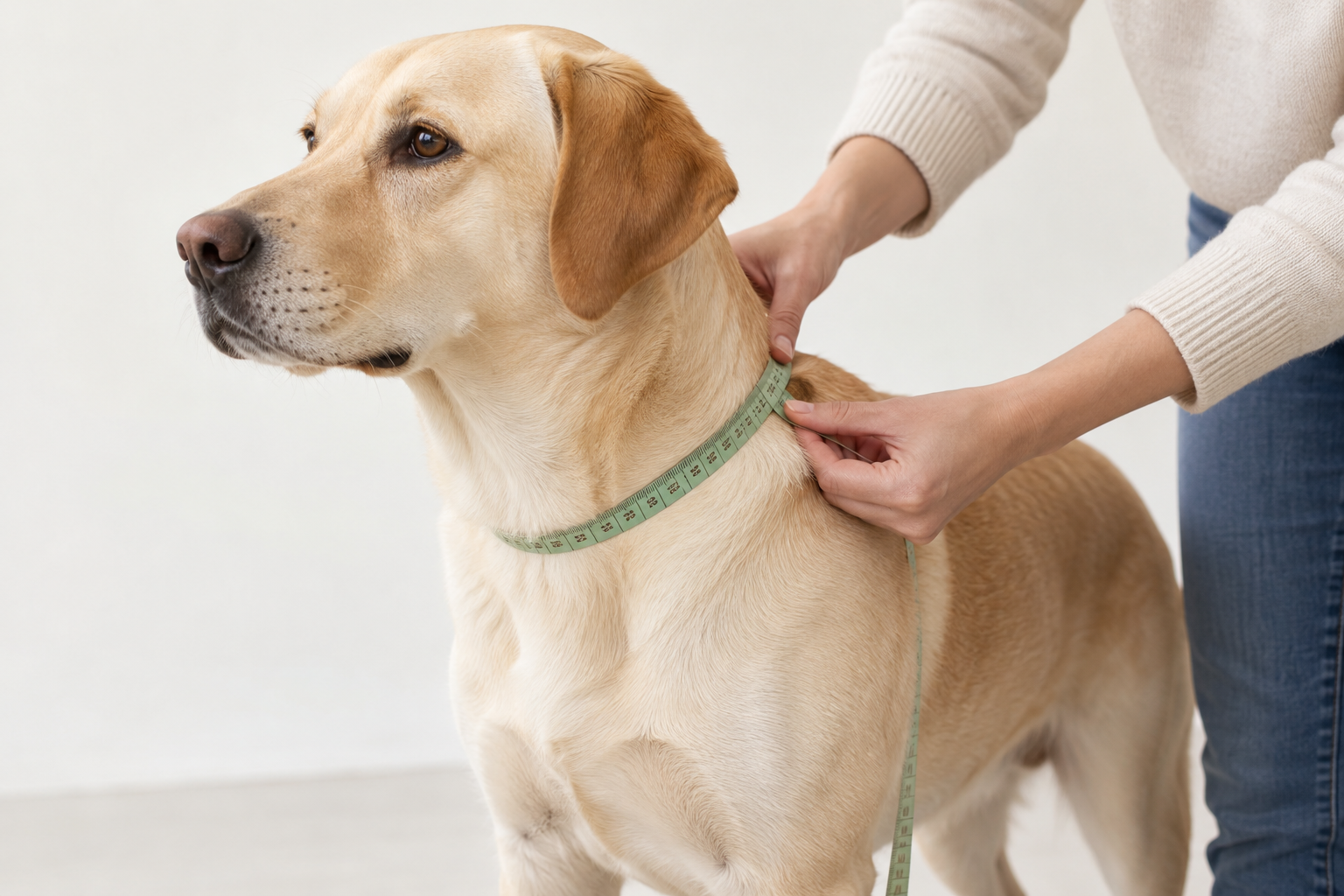
Avoid measuring high up near the ears or assuming an existing collar measurement will be right for the harness. Record both chest and neck measurements when the chart requires them.
4. Compare with the exact harness’s size chart
Open the product page for the harness you want and check every measurement it lists. TrueLove’s sizing instructions vary by model: for example, the Padded Reflective Step-In Dog Harness asks for a chest measurement, while the Floral Reflective Harness with Front and Back Clips asks for both neck and chest measurements.Choose a size whose stated range accommodates all the required measurements. Breed and weight can provide context, but they should not replace measuring your dog.
What if your dog is between sizes?
Check the model’s adjustment range and sizing instructions before deciding. Don’t automatically size up: a larger harness still needs to adjust securely to your dog’s current body.
If the measurements don’t fit one size comfortably, ask for help or consider a different harness shape. For puppies, choose a harness that fits now and recheck it as they grow.
5. Adjust the harness and check it while your dog moves
Once the harness arrives, fit it in a secure indoor space and adjust it according to the manufacturer’s instructions. A size-chart match is the starting point; you still need to check it on your dog.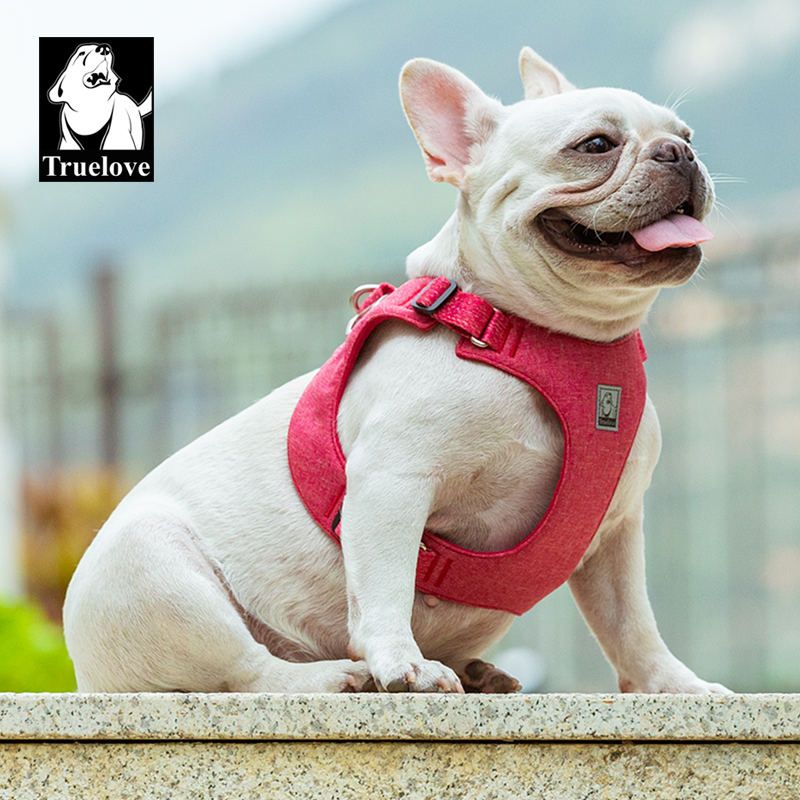 Check that:
- The straps sit comfortably without digging in.
- You can comfortably slide a finger beneath the straps; follow the model’s specific clearance guidance.
- The harness stays in position as your dog moves.
- Your dog can walk, sit and lie down naturally.
- The harness does not rub behind the front legs or restrict movement.
- The openings are not loose enough for your dog to slip out.
Measuring different dog breeds
Dogs of the same breed can have different proportions, and a thick coat can make it harder to see where the tape should sit. Use these checks alongside the measuring diagram for your chosen harness.
Deep chests and slimmer waist dogs such as Whippets and Greyhounds, check the tape’s position from the side. It should follow the full circumference of the ribcage at the point shown in the product’s diagram, rather than slipping backwards towards the narrower waist.
Broad, compact build dogs such as Pugs, French Bulldogs and Staffordshire Bull Terriers, check how the harness fits around both the chest and the front opening. Take a neck measurement if the chart requires one. A chest-size match alone does not confirm that the whole harness will fit comfortably.
Full, fluffy or curly coat dogs with fuller coats such as Cockapoos and Golden Retrievers, make sure the tape lies flat rather than catching on loose tufts. Keep the tension consistent and avoid pulling tightly to squash the coat. Follow the model’s measuring instructions, then check the harness fit again after grooming if the coat’s volume changes.
Long bodies and short leg dogs such as Dachshunds, get down to their level so you can see the tape’s path beneath the chest. Follow the required chest-measurement position and check that the tape has not drifted diagonally towards the belly. Measure back length only if the product’s chart asks for it.
Common harness-sizing mistakes
- Buying the same size label as an old harness without checking the new chart.
- Choosing by breed alone.
- Measuring only the neck when the chart asks for chest size.
- Adding extra room without following the product’s instructions.
- Buying a loose harness for a puppy to grow into.
Frequently asked questions
1) Is chest girth the same as chest circumference? Yes. Both describe the distance around your dog’s chest, rather than its width from side to side. 2) Can I use one measurement for every TrueLove harness?
Keep your dog’s measurements handy, but check each model’s chart separately. Different designs may ask for different measurements or have different size ranges.
3) How often should I check the fit?
Check before walks and re-measure when your dog grows or their body shape changes. If the fit looks different after grooming, check the strap adjustments again.